Artificial Roofing Systems Designed for Midwest Freeze-Thaw Cycles
Anyone that has actually spent a couple of winters looking https://johnnyfnzb756.summitviewdaily.com/posts/why-artificial-roofing-chicago-projects-require-climate-smart-materials after homes in the Midwest learns the exact same lesson quickly: roof coverings fall short in tiny methods prior to they fall short in dramatic ones. A crack that looked safe in October can open up by February. A flashing information that shed water all springtime can become an ice catch after one hefty snow and a few warm mid-days. In places like Chicago and the western suburbs, where roof coverings may see sleet, drifting snow, rapid thaws, and subzero nights within the same week, material option matters far past visual appeal.
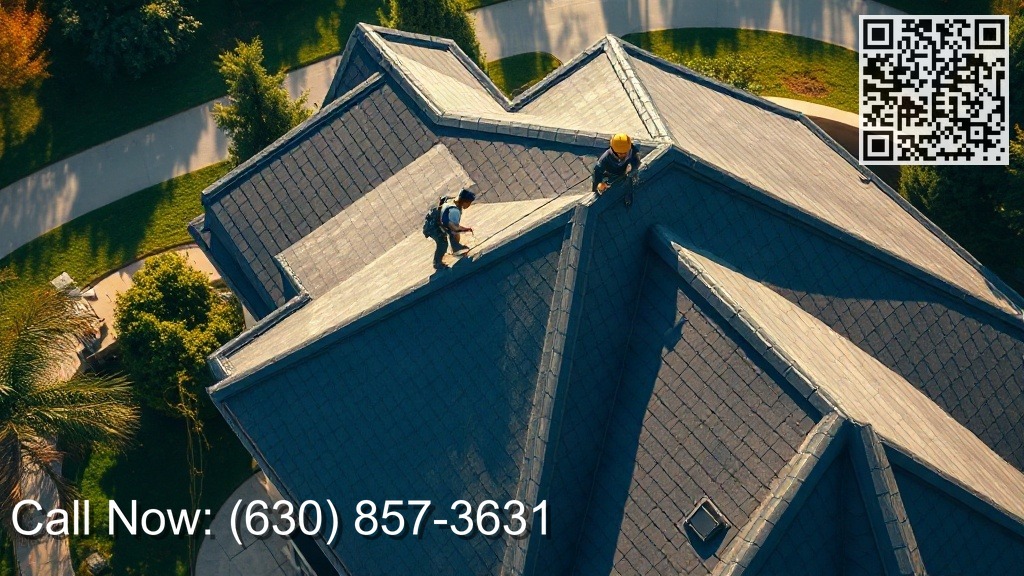
That is where synthetic roof have actually gained significant interest. Not since they promise magic, and not because every item marketed as synthetic performs the same, but due to the fact that the better systems are crafted for motion, dampness resistance, influence tolerance, and lasting dimensional security. In an environment specified by freeze-thaw biking, those characteristics are not luxuries. They are fundamental survival characteristics.
For home owners comparing premium exterior upgrades, specifically those intending a lengthy possession perspective, artificial roof coverings often being in a fascinating middle ground. They can provide the visual depth of slate or cedar, typically with much less weight and more forgiving efficiency in serious weather condition. For home builders, remodelers, and any kind of synthetic roofer operating in the Midwest, the genuine inquiry is not whether artificial products can function below. It is which systems are developed all right, and mounted carefully sufficient, to handle duplicated thermal stress and anxiety year after year.
Why freeze-thaw cycles are so tough on a roof
A Midwest roofing system does not merely get wet, after that completely dry. It gets wet, ices up, broadens, thaws, drains pipes, refreezes, and repeats that pattern over and over. Water works its means right into little gaps around bolts, side laps, infiltrations, and blinking shifts. When temperatures decline, that entraped dampness expands. Even a really percentage of growth can widen tiny openings, loosen sides, or place tension on fragile components.
The problem grows when snow cover remains. A dark roof covering surface area can warm up enough under winter season sun to melt the bottom layer of snow while the eaves and rain gutters remain chilly. Water runs downslope, reaches the chillier side, and ices up again. That is the timeless configuration for ice dams. As soon as that dam types, meltwater can support under the roof covering. If the system lacks an effectively installed underlayment or if the details at eaves and valleys were dealt with casually, interior leakages frequently follow.
Traditional roof covering materials each have their very own susceptabilities in this environment. Natural cedar can absorb wetness and weather condition unevenly. Some concrete or clay items deal with cold well yet bring weight and installation constraints. Natural slate is lovely and long lasting, yet it is fragile and costly to fix if individual items fracture from influence or foot traffic. Asphalt roof shingles continue to be usual, though lower-end products might shed granules and adaptability earlier under seasonal stress.
Architectural artificial roofing went into that conversation by providing a different equilibrium of properties. The much better products are developed to withstand wetness absorption, continue to be steady under temperature swings, and take care of effect without the exact same brittleness discovered in some natural products. That does not mean every synthetic roofing system is equal. It suggests the category consists of solid choices when matched to the climate and installed with discipline.
What makes an artificial roof ideal for Midwest weather
People typically focus on the noticeable shingle or ceramic tile, yet a roof is successful as a system. The area product matters, naturally, yet underlayment option, air flow method, securing pattern, blinking style, and edge outlining usually identify whether the roof in fact executes via fifteen or twenty freeze-thaw seasons.
The ideal synthetic roofing systems for the Midwest generally share a few functional traits. They withstand moisture uptake. They do not become excessively brittle in winter. They endure hailstorm much better than lots of fragile options. They likewise preserve their profile and fastening stability under high winds, which matter as much in Chicagoland as snow tons does. Winter season tornados here seldom arrive as a clean, vertical occasion. Wind-driven snow finds weaknesses that a tranquil rain never would.
Material composition plays a large role. Several costs artificial roof items are made from crafted polymers, recycled compounds, or exclusive composite blends. Some are molded to mimic cedar shake, all-natural slate, or hand-split textures with unexpected realistic look. That aesthetic appeal is one factor synthetic roofing for deluxe homes has actually become a lot more usual in premium neighborhoods. The sensible factor is that the right item can offer reduced maintenance and much less structural burden than the natural material it imitates.
Weight is not a trivial issue. A lighter roofing covering can minimize the need for architectural support throughout a synthetic roof substitute, particularly on older homes. In historical neighborhoods around Chicago, that versatility can maintain style intent without compeling significant framework work. A heavy roofing can still be the best solution in many cases, however several domestic synthetic roof items provide owners much more alternatives during remodel planning.
The Midwest information that divide a suitable roofing from a durable one
I have actually seen appealing roof coverings underperform since the system was defined by pamphlet and set up by practice. Freeze-thaw climates subject faster ways promptly. A roofing contractor can make virtually any material look excellent on day one. Year 5 tells the actual story.
On artificial roof covering installation jobs in northern Illinois, one of the most vital conversations usually occur before the initial bundle is opened up. Roof covering pitch, drain patterns, attic insulation, ventilation paths, rain gutter design, smokeshaft problems, and the quantity of tree cover all influence exactly how the roofing will act in wintertime. A high roof covering might shed snow a lot more quickly, but it might additionally unload large sheets onto valleys, lower roofing system sections, and entranceways. A low-slope transition area that looks minor on strategy drawings can end up being the weak point of the entire setting up if the wrong underlayment is used.
Ventilation deserves unique focus. Individuals often tend to decrease wintertime roofing system efficiency to a straightforward product option, but several cold-weather leakage patterns begin inside the house. Warm, humid indoor air getting away into the attic can increase roofing deck temperatures, drive unequal snowmelt, and magnify ice dam formation. Also costs artificial roofing can not compensate for an attic room that is badly protected or inadequately aired vent. The roof covering is just the top layer of a building scientific research problem.
Flashing work is another dividing line. Around smokeshafts, dormers, skylights, and wall surface intersections, activity and water concentration collaborated. Artificial roofing shingles may continue to be undamaged for decades, yet if the flashing series was improvised, the setting up stays prone. In Chicago-area work, where winter wind can press snow and meltwater side to side, the high quality of metal details frequently matters as much as the field item itself.
Why artificial roofs appeal to Midwest homeowners
The allure is not only resilience. It is predictability. Home owners need to know what they are buying, what upkeep will resemble, and whether the appearance they pay for today will still check out as refined in ten or fifteen years.
Premium artificial roof covering frequently responds to that worry well. Excellent items hold color consistently, withstand splitting, and avoid the random degeneration pattern that can impact all-natural organic materials. On personalized homes, particularly those going for the look of slate or cedar without the very same maintenance problem, synthetic roof covering for high-end homes provides layout adaptability that really feels practical as opposed to compromised.
That is specifically relevant in locations where design lugs a solid visual identification. In parts of Chicago, Oak Creek, Hinsdale, Naperville, and bordering communities, home owners might desire a steep-pitch roof that enhances stone facades, copper accents, and thoroughly developed landscape plans. A roof covering is not a background aspect on those homes. It is just one of the leading visual surfaces. Architectural synthetic roof covering can supply the appearance and darkness lines owners desire, while still being sensible for an environment that penalizes delicate finishes.
For lots of families, the conversation becomes even more simple during a synthetic roofing system replacement. They have actually already lived through upkeep cycles on maturing cedar, curling asphalt, or hail-damaged materials. They are not purchasing novelty. They are purchasing fewer surprises.
Chicago and the western suburban areas position their very own challenges
When customers search for artificial roof covering Chicago or synthetic roof Naperville IL, they are usually not searching for a generic nationwide solution. They wish to know how a product acts right here, under neighborhood climate, local code assumptions, and local installation habits.
Chicagoland roofings deal with broad annual temperature swings, strong wind occasions, lake-influenced climate patterns in some areas, and freeze-thaw rep that can wear on every subjected detail. Snow lots vary from storm to storm, yet the actual problem is frequently much less concerning optimal weight and even more about snow movement, refreezing at overhangs, and water monitoring during partial thaw periods.
An artificial roofer Chicagoland homeowners can rely on need to be able to chat clearly about those conditions. That suggests discussing ice and water barrier placement, air flow balance, maker fastening demands, and sensible assumptions for life span. It also implies knowing when artificial is a solid fit and when another system might make even more feeling due to roof geometry, area demands, or spending plan priorities.
Not every home benefits equally from the same profile. Some artificial roof covering shingles emulate slate with a tight, crisp format. Others simulate hand-split shake with much deeper appearance and extra obvious tailing. The appropriate choice depends on the architecture, yet likewise on how the profile takes care of drain and debris. A heavily distinctive roof covering under fully grown trees might hold extra raw material than a cleaner slate-style account. That is not always an offer breaker, though it ought to become part of the conversation.
Installation quality matters more than marketing language
The expression artificial roof covering business can define services with extremely various levels of experience. Some set up the classification consistently and recognize its nuances. Others add it to a sales brochure since clients are asking for it, while still approaching it like standard asphalt. That gap shows up promptly in trim job, design precision, accessory compatibility, and guarantee compliance.
A seasoned artificial roofing contractor will typically start by validating the producer's precise installment needs rather than assuming category-wide guidelines. Direct exposure lines, starter information, ridge treatment, bolt kind, spacing, and accepted underlayments can vary. In freeze-thaw problems, those differences matter. A little inconsistency might not cause an immediate failure, but it can reduce the system's margin for error throughout serious winters.
Good synthetic roof covering installers also pay attention to staging and handling. Some items remain adaptable in winter, others end up being less flexible up until temperatures climb. Reducing techniques might vary by season. Sealers that behave one method moderate spring climate may execute in different ways during a late-fall installment window. These are common field judgments, however they are specifically the kind of judgments that separate a tidy set up from a rushed one.
One of the extra enlightening signs on a jobsite is whether the team treats transitions as custom-made job or recurring work. Valleys, wall surface linkups, saddle flashings behind chimneys, snow retention planning, and termination factors at stonework all need idea. A roof covering with numerous intersecting planes can consume even more labor in these locations than in the open area. When bids are available in uncommonly low, this is usually where corners obtain cut.
Cost, lifespan, and the worth question
Synthetic roof covering is rarely the most affordable ahead of time cost in the residential market. House owners contrasting bids will commonly see it above common asphalt and below some all-natural slate or high-end specialty settings up, though actual rates varies substantially by profile, roofing intricacy, and labor market. In custom work, the form of the roofing system can influence price as much as the material itself.
That stated, value ought to not be decreased to square-foot rate. Costs artificial roof typically makes good sense when owners represent anticipated upkeep, lowered fixing regularity, structural savings due to reduced weight, and the visual longevity of the ended up roof covering. A material that costs more at setup however avoids recurring patchwork can be the more affordable choice over time.
There is likewise the resale element, though it must be discussed honestly. An attractive, well-installed roof can definitely sustain buyer self-confidence, particularly on distinctive homes, yet not every market transforms costs roofing right into dollar-for-dollar list price. The even more trustworthy return is generally less complicated ownership and lower possibility of abrupt capital expense after storms or extreme winters.
Where synthetic roof sparkles, and where care is wise
Synthetic roof performs especially well when home owners desire a refined architectural appearance without the frailty, weight, or maintenance needs of standard products. It is commonly a solid fit for steep-slope homes, customized develops, historic-style renovations, and high end household tasks where appearance matters along with durability.
It is worthy of an extra careful review when the roofing has unusual low-slope areas, persistent air flow issues that have actually not been corrected, or budget plan constraints that may tempt an owner to get a premium material while underfunding the installation information. A top-tier item on a compromised setting up is still a jeopardized roof.
There are additionally neighborhood and insurance considerations. Some HOAs care deeply concerning aesthetic credibility. Some insurers focus on impact ratings or fire categories. An excellent synthetic roof firm should be prepared to go through both, due to the fact that a practically audio product still needs to please local expectations and paperwork realities.
How homeowners need to assess a proposed system
The most intelligent conversations are specific. As opposed to asking whether synthetic is excellent, ask just how this precise system will be built on this exact house. That shift alters the entire procedure. It moves the conversation far from sales language and towards area performance.
An efficient quote review must cover roofing deck condition, underlayment kind, side metals, ventilation modifications if needed, blinking substitutes, valley building and construction, snow and ice administration worries, and cleanup logistics. It must additionally resolve what stays, what obtains replaced, and what hidden problems might alter the range when tear-off begins.
For house owners selecting among synthetic roof installers, it helps to contrast just how clearly each professional explains these information. Vague propositions often cause obscure outcomes. Details proposals typically signal experience.
Here are a couple of questions worth asking before authorizing a contract:
- How will the system take care of ice dam risk at eaves, valleys, and roof-to-wall intersections on this house?
- Which underlayment and flashing products are being coupled with the synthetic item, and why?
- Has the crew mounted this particular maker's system before, or only similar products?
- What roof covering ventilation renovations, if any kind of, are suggested along with the new covering?
- How are complex details like smokeshafts, skylights, and snow retention being addressed?
Those questions do not need a home owner to become a contractor. They merely force quality. A certified artificial roofing contractor should have the ability to answer them without hedging.
What maintenance appears like after installation
One factor domestic artificial roof covering has gained traction is that upkeep is generally convenient. That does not suggest nonexistent. Even sturdy materials require routine evaluation, specifically after hailstorm, high wind events, or winters months with heavy ice buildup.
In method, owners need to anticipate regular aesthetic checks from the ground, regular professional evaluations, and punctual attention to seamless gutters, downspouts, and particles buildup. An artificial roofing might withstand wetness better than cedar, yet if a valley remains loaded with leaves and ice, any kind of roofing system can be stressed.
The initial couple of years after installation are additionally a great time to observe the house during actual weather events. See just how snow sheds. Notification where icicles develop. Pay attention to whether one roof covering aircraft thaws faster than another. Those clues frequently expose insulation or air flow inequalities before they come to be leak calls.
A practical treatment regular typically includes the following:
- Keep gutters and downspouts streaming before wintertime starts.
- Schedule assessments after significant hail or wind storms.
- Remove debris from valleys and behind smokeshafts where it collects.
- Address attic insulation and ventilation concerns if unequal melting appears.
- Avoid unneeded foot website traffic, particularly from untrained service trades.
That last point is underrated. Some roofing system damages occurs not from climate, yet from satellite, vacation lighting, or mechanical job done without appropriate care.
The case for experience over trend
Synthetic roofs are not a passing craze in the Midwest. The better products have shown they belong in the discussion, particularly where homeowners want style character without accepting the susceptabilities of larger or even more breakable products. But success still depends upon technique. Product quality matters. System design issues. Installer experience matters just as much.
For homes in Chicago and the broader suburban market, that indicates choosing an artificial roofer who understands freeze-thaw behavior as a daily reality, not a line in a pamphlet. It suggests picking synthetic roofing systems with a performance history, not just appealing samples. It indicates treating artificial roof covering substitute as an opportunity to enhance the entire setting up, from underlayment and blinking to ventilation and drainage.
When that occurs, the outcome is not merely a roof covering that looks good from the road. It is a roof covering that withstands January sun on snowpack, March refreezes, April wind-driven rain, and the steady, unglamorous stress that specifies Midwest weather condition. That is the standard that matters below. Not whether a roofing looks outstanding on installment day, however whether it keeps doing its work after years of freeze, thaw, and repeat.
When Quality Matters
Salvo Architectural Roofing Contractors
566 West 5th Ave Naperville, IL 60563
(630) 857-3631
 Ask ChatGPT
 Ask Grok
 Ask Perplexity
 Ask Claude
 Ask Google AI
 Ask You